

Published April 8, 2025
The Future of Miami Real Estate: Trends to Watch in 2025

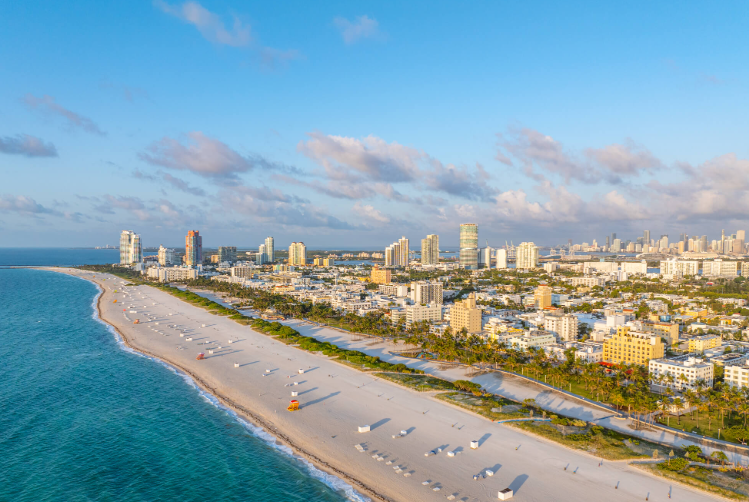
Miami's real estate landscape is poised for significant transformations in 2025, influenced by economic shifts, demographic changes, and environmental considerations. Here's an in-depth look at the emerging trends shaping the future of Miami's property market.
1. Luxury Market Dynamics
Miami continues to dominate the U.S. luxury real estate sector. Recent data indicates that South Florida leads the nation in high-end property transactions, with notable sales such as a $49 million estate in Manalapan and a $40 million property on Palm Beach's Billionaires Row. This trend underscores Miami's enduring appeal to affluent buyers, driven by its favorable tax environment, cultural vibrancy, and prime coastal locations.
2. Impact of Property Tax Reforms
In response to escalating property values and the resultant tax burdens, Florida's state leaders are deliberating proposals to eliminate property taxes. Such a move aims to alleviate housing costs but would necessitate increased reliance on sales tax and could significantly impact local government revenues essential for schools and services. While a full repeal remains uncertain, the political momentum reflects the urgency to address affordability concerns in the housing market.
3. Challenges for Retirees and Fixed-Income Residents
Soaring condo costs, driven by heightened home prices, increased association fees, and stringent new regulations like the Florida Building Safety Act, are financially squeezing retirees on fixed incomes. This legislation mandates costly structural inspections and repairs for aging condos, leading many retirees to sell their properties. The resultant influx of listings has caused prices to drop, yet buyers remain cautious due to unpredictable repair and insurance expenses. This shift is transforming traditionally retiree-centered communities, with younger, wealthier families moving in, potentially leading to broader economic repercussions, including possible bankruptcies of condo associations and widespread foreclosures.
4. Emergence of New Neighborhoods
While established areas like Miami Beach and Brickell remain popular, neighborhoods such as Wynwood, Little Haiti, and Allapattah are gaining traction. These areas offer a blend of affordability and growth potential, attracting both buyers and investors. Wynwood, for instance, has transformed into a vibrant arts district, appealing to a younger demographic seeking unique living experiences.
5. Technological Advancements in Real Estate
The integration of technology is revolutionizing Miami's real estate market. Virtual and augmented reality tools enable remote property tours, enhancing the buying experience. Artificial intelligence and data analytics are streamlining property valuations and marketing strategies, making transactions more efficient. Additionally, the demand for smart homes equipped with automated systems is on the rise, particularly in the luxury segment.
6. Sustainable and Green Developments
Environmental sustainability is becoming a priority in Miami's real estate sector. There's a growing emphasis on energy-efficient homes, incorporation of green spaces, and attainment of LEED certifications. These eco-friendly features not only reduce environmental impact but also appeal to a new generation of environmentally conscious buyers.
7. Climate Migration Trends
Concerns over climate-related risks are influencing relocation decisions. For example, individuals like Chris Gates have moved from Miami to areas perceived as safer from climate disasters, such as Santa Fe, New Mexico. Such moves are often motivated by both financial considerations and a desire for greater environmental security.
8. International Investment and Mixed-Use Developments
Miami's status as a global investment hub continues to attract foreign investors, particularly in the luxury and pre-construction sectors. The city is also witnessing a rise in mixed-use developments that combine residential, commercial, and recreational spaces, catering to the demand for integrated living environments.
In summary, Miami's real estate market in 2025 is expected to be characterized by a robust luxury segment, evolving tax policies, technological innovations, sustainable practices, and shifting demographic trends. Stakeholders should stay informed and adapt to these developments to navigate the dynamic landscape effectively
|


or another way