

Published September 24, 2024
Home Staging Do's and Don'ts: How to Make Your Home Irresistible to Buyers

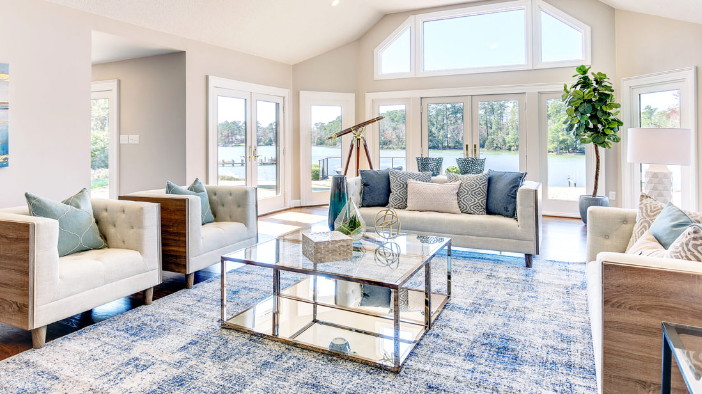
Selling a home can be a daunting task, but home staging is one of the most effective ways to make a strong first impression. Staging not only helps buyers visualize themselves in the space, but it can also increase the perceived value of your home, potentially leading to faster offers and higher selling prices. However, there are some important guidelines to follow in order to stage your home effectively. Let’s dive into the key do’s and don’ts of home staging!
The Do's of Home Staging
Do Declutter and Depersonalize Clutter can make even the largest space feel cramped and overwhelming. Start by removing excess items like personal knick-knacks, toys, and unnecessary furniture. Less is more in staging!
Depersonalization is equally important—buyers want to envision their own life in the space. Removing family photos, personal collections, and overly unique decor can help potential buyers see the home as a blank slate.Do Clean Thoroughly A clean home is inviting. Deep cleaning every corner—from windows to carpets—will make the home sparkle and show buyers that the house has been well-maintained. Pay special attention to kitchens and bathrooms, as these areas can make or break a sale.
Do Create a Welcoming Curb Appeal First impressions matter. The exterior of your home is the first thing buyers see, so make sure it’s appealing. Clean up the landscaping, trim bushes, plant fresh flowers, and power wash the driveway and siding if needed. A fresh coat of paint on the front door or new house numbers can also go a long way.
Do Highlight Key Features Every home has standout features—whether it's a fireplace, large windows, or hardwood floors. Make sure these are not hidden by furniture or clutter. Instead, arrange the room so that these features become focal points for potential buyers to admire.
The Don'ts of Home Staging
Don’t Leave Outdated Furniture or Fixtures Outdated furniture or light fixtures can make your home feel older and less appealing. If replacing them isn’t feasible, consider renting modern pieces or simply removing anything that detracts from the home’s potential. This includes old window treatments, worn rugs, and heavy drapes.
Don’t Neglect the Lighting Poor lighting can make rooms feel dark and uninviting. Make sure each room is well-lit by using a mix of natural light, floor lamps, and overhead lights. Replace outdated light fixtures and consider swapping out harsh lighting for softer, more ambient options. Clean windows, remove heavy drapes, and ensure all lightbulbs are functional.
Don’t Ignore the Flow of the Home Arrange your furniture to highlight the flow and openness of the space. Avoid pushing all furniture against the walls—sometimes floating furniture in the middle of the room can make it feel more spacious. Don’t overcrowd a room with too many pieces of furniture, as this can make it seem smaller than it actually is.
Don’t Forget About Closets and Storage Spaces Buyers will definitely peek into closets and storage areas, so don’t neglect them! Make sure these spaces are organized and not stuffed full of items. A well-organized closet can make your home feel more spacious and functional, giving the impression that there’s plenty of room for the buyer's belongings.
Bonus Tip
Add Fresh Scents: A pleasant, subtle fragrance can make a home feel more inviting. Consider natural scents like fresh flowers, vanilla, or citrus. Avoid strong or artificial smells.
Effective home staging is all about showcasing your home’s best features and creating an inviting, neutral space where buyers can picture themselves. By following these simple do’s and avoiding common don’ts, you can increase the chances of a successful sale and maximize the value of your home. Whether you’re a DIY enthusiast or opt for professional help, staging is a powerful tool in today’s competitive real estate market!
|


or another way